


Adelaide is in the grip of a land rush and it’s not just about housing dreams. With land scarcity at record highs, developers, builders, and families alike are chasing fewer blocks at higher prices, creating a competitive storm that shows no sign of calming.
The New Reality: Scarcity and Demand Collide
Land supply has always been a critical factor in Australia’s housing market, but Adelaide is now experiencing what experts call “pinch point scarcity.” Available land for new housing projects has dropped significantly across the metropolitan area, with some councils reporting single-digit block releases over the past 12 months.
At the same time, demand hasn’t slowed. Data from CoreLogic shows that South Australia has recorded some of the fastest price growth for land in the nation, up 20% year-on-year in certain growth corridors. What’s driving this demand?
- Population Growth: Net migration into South Australia has reached levels not seen in decades, boosted by interstate movers seeking affordability and lifestyle benefits.
- Builder Backlogs Clearing: With supply chain constraints easing and builder capacity improving, buyers who delayed building during COVID-19 are re-entering the market.
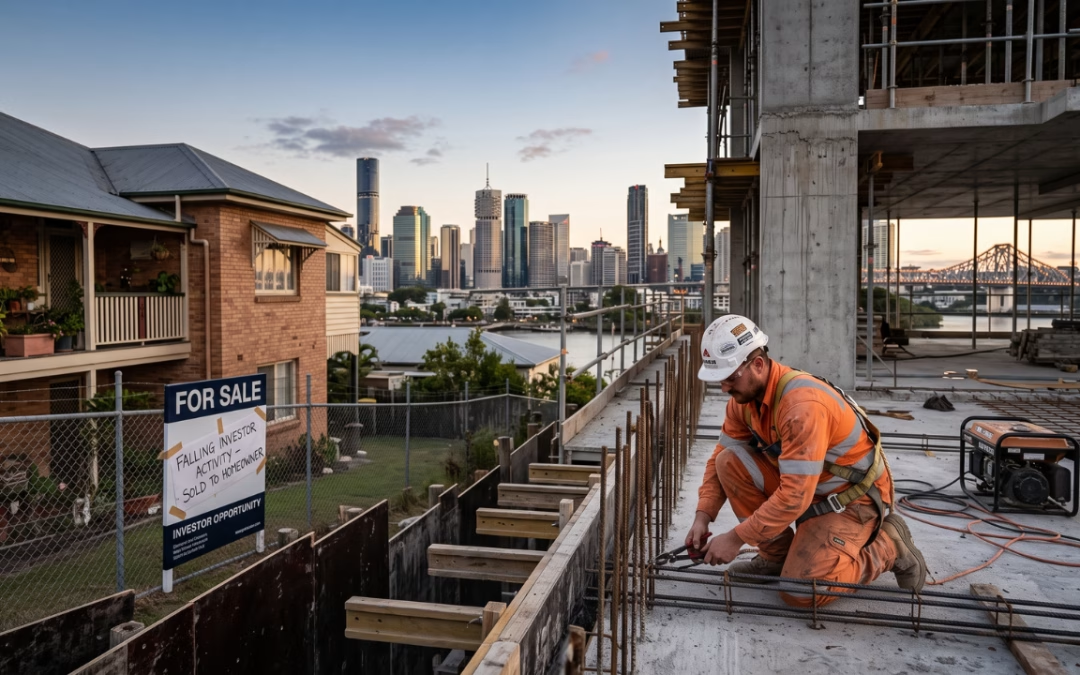
- Investor Activity: Investors see Adelaide as a relative safe haven, with smaller entry costs compared to Sydney or Melbourne and strong rental demand.
The result: more people chasing less land, and paying a premium to secure it.
Why Is Supply So Tight?
Several factors are behind the squeeze on land availability:
- Slow Planning Approvals
Local government planning pipelines haven’t kept pace with population growth. Delays in rezoning and subdivision approvals mean land supply entering the market is sluggish. - Developer Staging
Major developers are releasing land in tightly controlled stages to maintain price momentum and protect margins in a high-cost environment. - Infrastructure Lag
Without corresponding investment in transport, schools, and utilities, greenfield development can’t scale fast enough to meet demand. - Policy Uncertainty
While the South Australian Government has announced commitments to speed up housing approvals, industry insiders say it could take years for those changes to translate into tangible land supply.
The Buyer Behaviour Shift
Competition for land has sparked a behavioural shift among buyers. According to local agents, buyers are:
- Paying Above Asking: In some fringe suburbs, blocks are selling for $30,000–$50,000 above the guide price.
- Going Smaller: Downsizing lot expectations — from 450m² family blocks to 300m² or smaller — is becoming normalised.
- Fast Finance Moves: Buyers are pre-approving finance before releases, ready to pounce as soon as lots hit the market.
The emotional intensity is also ramping up. “We’re seeing FOMO at levels I haven’t witnessed in 15 years,” says James Powell, a leading Adelaide-based land sales consultant. “People are lining up overnight for releases. If you hesitate, you miss out.”
Developers and Builders Adjust Their Playbooks
Land scarcity is changing how developers and builders approach the market:
- Smaller Footprints, Bigger Creativity
Builders are designing homes that maximise functionality on smaller blocks, with two-storey options and integrated indoor-outdoor spaces. - Incentive Packages
Some developers are bundling fencing, landscaping, or rebates to attract buyers, particularly in master-planned communities competing for attention. - Joint Ventures
Builders and developers are partnering more often, pooling resources to secure land and accelerate delivery.
Government Intervention: Enough or Too Late?
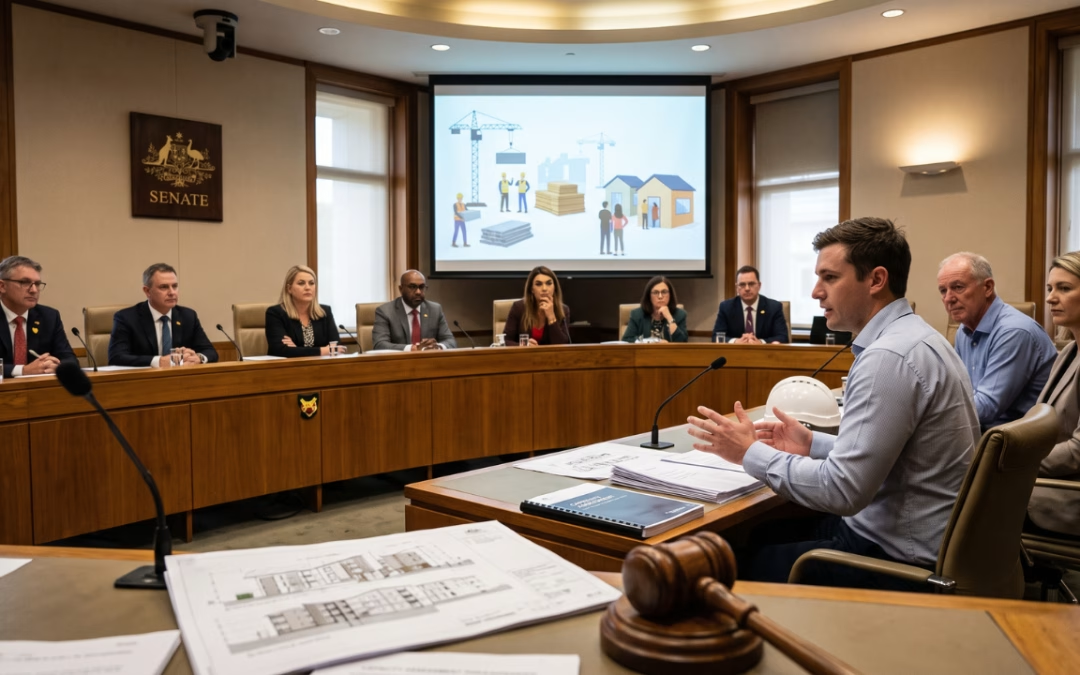
The South Australian Government has flagged planning reform and infrastructure spending to unlock new housing supply, but critics argue these moves are too slow. Industry voices are calling for:
- Faster Rezoning
Streamlined rezoning processes to get greenfield land shovel-ready sooner. - Infrastructure Alignment
Prioritising transport and service infrastructure in growth corridors. - Land Release Targets
Clear, measurable targets for annual land release to restore balance.
Until these systemic changes occur, scarcity will continue to drive competitive tension in Adelaide’s land market.
What It Means for Builders and Buyers
For builders, the land squeeze is both a challenge and an opportunity. Securing land partnerships early will be crucial for pipeline security. Marketing smaller, smarter home designs will resonate with buyers who are adjusting expectations.
For buyers, the message is clear: preparation is everything. Finance pre-approvals, research on emerging growth areas, and early engagement with developers could be the difference between securing a block and missing out.
The Bottom Line
Adelaide’s land frenzy isn’t a passing phase. It reflects deeper structural issues in supply and planning that need long-term fixes. Until then, competition will remain fierce, and rare offerings will continue to command a premium.


0 Comments