


Recent changes to Noosa’s secondary dwelling rules are opening the door for tiny homes, modular builds, and long-term rental solutions. Here’s what’s changed and how to take advantage of it.
With housing affordability under pressure and median house prices now at $1.3 million, Noosa Shire Council has acted. Their latest planning updates are aimed at making it easier and cheaper for property owners to build secondary dwellings — from backyard granny flats to modern off-grid tiny homes.
For builders, it’s a chance to step into a growing market. For homeowners, it offers flexibility, extra income, or multi-generational living. Here’s what the 2025 changes mean in practical terms.
Why Noosa’s Making Changes
Noosa is facing a critical housing shortage. Essential workers, young families, and long-time residents are struggling to stay in the area. To address this, Noosa Council has aligned its secondary dwelling rules with Queensland’s broader push for gentle density.

These changes encourage homeowners to use spare land for long-term rental options — without red tape or unnecessary costs.
2025 Updates at a Glance
1. Application Fee Waivers and Incentives
The Council’s 2025 budget includes a waiver on infrastructure charge application fees for approved secondary dwellings. Homeowners can save around $800 to $1,200 upfront. There are also discounts available for new small-lot homes that meet affordability goals.
This initiative is part of a broader push called “Financial Incentives to Encourage Smaller, More Affordable Homes.”
2. No More 20-Metre Placement Rule
Previously, secondary dwellings had to be built within 20 metres of the main house. That rule was removed in 2021. Today, you can build anywhere on your lot — as long as the location complies with zoning and setback rules. This change gives homeowners more design freedom and better use of land.
3. Design and Size Limits
Under the Noosa Plan 2020, a secondary dwelling must:
- Be no larger than 65m² of internal floor space (excluding decks or patios)
- Have one or two bedrooms
- Stay smaller than the main home
- Include one extra on-site car park
Off-grid properties may also need a 60,000-litre rainwater tank and greywater treatment system. These requirements help manage water use in more remote areas.
4. Rental Options Expanded
Since 2022, homeowners have been allowed to rent secondary dwellings to anyone — not just family members. This update has created income opportunities and increased housing stock. Long-term leases in Noosa for these dwellings can fetch $550 to $700 per week, depending on location and finish.
5. Short-Term Letting Still Banned
Noosa Council does not permit short-term rentals like Airbnb for secondary dwellings. This rule ensures that new homes contribute to the permanent rental market, which remains under pressure.
What This Means for Builders
More Demand for Modular and Off-Site Builds
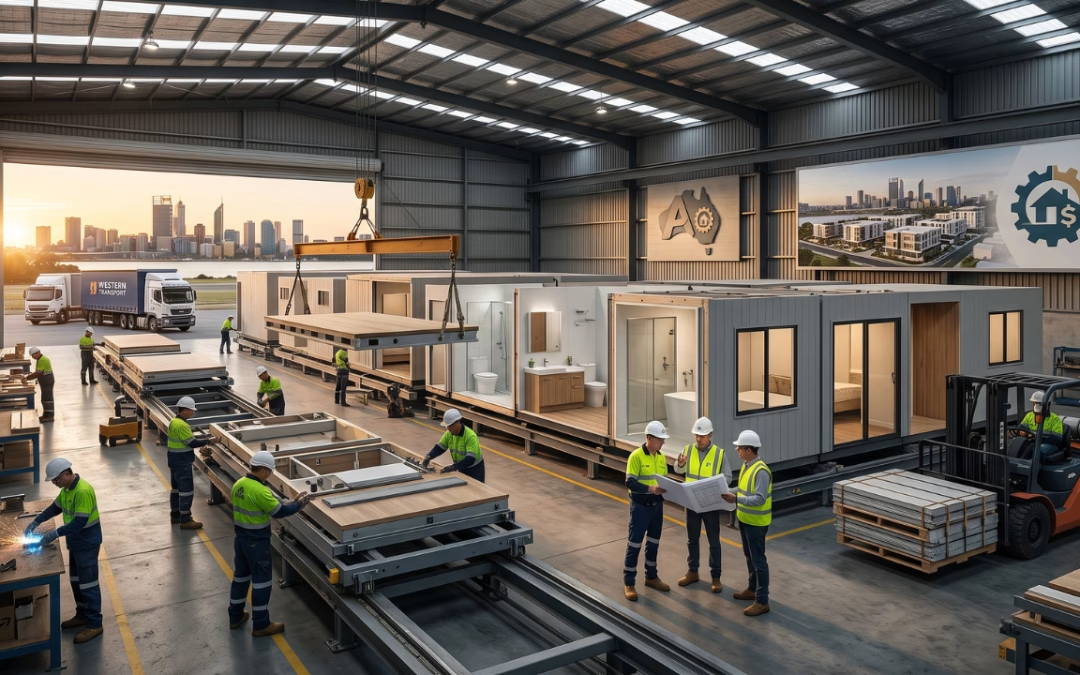
Modular construction is gaining popularity as property owners seek faster, cheaper options. Builders working with modular or prefabricated homes can deliver consistent quality and meet the 65m² size limit with ease. Off-site construction also reduces on-site disruption — a benefit in Noosa’s environmentally sensitive areas.
Approval Pathways Are Getting Easier
Applications that meet the planning code now move quickly. Most secondary dwelling approvals take between four to eight weeks. Builders who understand the Noosa Plan 2020 — or who work with consultants who do — can guide clients with confidence and speed.
Sustainability Is Not Optional
Off-grid properties require specific systems. These include large rainwater tanks, solar panels, and greywater systems. Even in serviced areas, many homeowners expect eco-friendly solutions. Builders who offer energy-efficient design and materials will have a clear advantage.
How to Get Started
For property owners or builders planning a secondary dwelling, here are the steps to follow:
- Check Zoning: Use the Noosa Plan 2020 mapping tool to confirm what’s possible on your site.
- Get Expert Advice: Work with designers or builders who specialise in tiny homes or modular dwellings.
- Plan for Off-Grid Systems: If the property isn’t on town water, include water tanks and a greywater system.
- Submit Your Application: Lodge your plans with Noosa Council. Ensure all documents are complete to avoid delays.
- Stick to Rental Guidelines: Only long-term tenants are allowed. Short-term or holiday letting is not approved under current rules.
The Opportunity in Front of Us
Noosa’s updated planning rules reflect a clear shift: build smaller, build smarter, and build for long-term use.
For builders, this means a steady stream of work tied to a genuine community need. For property owners, it means more control over their land — and a way to help solve the housing crisis while also gaining financial or family support.
These changes won’t solve every problem, but they do offer a practical step in the right direction.
Want to Share Your Story?
Have you built or approved a secondary dwelling in Noosa recently? Are you a builder offering tiny or modular homes with sustainability in mind?
We’d love to hear from you and include your insight in future coverage.
Contact [email protected] to share your experience or contribute an article to The Good Builder.re your insights or to contribute to The Good Builder.

Author: The Good Builder
The Good Builder is a media platform that provides news and insights for Australia’s home building industry. From exclusive stories and curated insights to bold industry perspectives, we deliver the news and updates that keep builders, suppliers, and the entire home building industry inspired and ahead of the curve.



0 Comments