


By The Good Builder Editorial
Victoria is on the verge of a planning shake-up that could transform suburban backyards into homes for the next generation of families.
The Allan Labor Government this week confirmed new streamlined rules will slash subdivision and dual-occupancy approval times from more than two months to just 10 business days, opening the door for thousands of young Victorians to get into homes sooner.

Premier Jacinta Allan, alongside Planning Minister Sonya Kilkenny and Housing and Building Minister Harriet Shing, unveiled the reforms as part of a broader plan to make Victoria the “townhouse capital” of Australia.
Cutting Red Tape: From 60 Days to 10
Under the existing system, a homeowner wanting to subdivide or add a second dwelling could face over 60 days of delays, multiple layers of council approvals, and costly fees. From October, that will change.
The government’s VicSmart fast-track pathway will apply to:
- Building a second home in the backyard
- Replacing one house with two
- Subdividing an existing block and selling off the land
Applicants who meet clear criteria will bypass lengthy planning hurdles. On average, the streamlined process is expected to save households around $2,400 in fees and cut weeks of uncertainty from the process.
But while approvals will be faster, standards remain. Heritage protections, environmental overlays, privacy rules and design codes will still apply ensuring density doesn’t come at the cost of neighbourhood character.
A Growing Market for Townhouses
The Premier has made no secret of her belief that townhouses are the missing middle in Victoria’s housing market.
“I can’t think of too many losers when it comes to townhouses,” Allan told the Melbourne Press Club earlier this year. “So many people in their 30s are looking at new townhouses and homes on subdivided blocks that have a couple of bedrooms and space for the kids to run around. It works for them.”
Townhouses, duplexes and dual occupancies have long been popular with first-home buyers and downsizers, offering an affordable middle ground between high-rise apartments and traditional detached homes.
For builders, the streamlined rules are set to drive new pipelines of small-to-medium projects across Melbourne and regional centres, a boost at a time when many firms are grappling with rising costs and stalled approvals.
The Backyard Boom
Planning Minister Sonya Kilkenny framed the changes as a chance for Victorians to unlock the value in their own properties.
“For many people, the biggest housing opportunity is right behind them, in their own backyard,” she said.
That opportunity extends beyond homeowners. For builders and developers, the reforms create a clearer, faster pathway to small-scale projects in established suburbs, areas close to schools, transport and jobs where demand for housing is highest.
Housing and Building Minister Harriet Shing added that the economic flow-on could be significant: “By making it quicker to subdivide and build, we’re unlocking thousands of new projects that will boost construction, create jobs and deliver more homes in the suburbs where people want to live.”
Building on Granny Flat Success
The announcement follows the success of Labor’s granny flat reforms, which came into effect in December 2023. That change allowed small second homes to be built without a planning permit, sparking more than 500 approvals worth $140 million in less than a year.
The townhouse fast-track is seen as the next logical step, moving from secondary dwellings to larger, family-ready homes that can be bought, sold, or rented independently.
Together, these measures mark a shift in planning philosophy: from “not in my backyard” resistance to what the Premier has called “yes in my backyard, literally.”
Industry Reaction: Opportunity With Guardrails
Early response from the building sector has been cautiously optimistic. Many small-to-medium builders see the potential for a steady flow of dual-occupancy and townhouse jobs, particularly in Melbourne’s middle-ring suburbs.
However, industry voices also stress the importance of maintaining design quality and avoiding “cookie-cutter” outcomes that could clash with established streetscapes.
With heritage and environmental protections intact, and siting/privacy standards still in play, the government insists quality won’t be compromised. The test will be in delivery: whether local councils can process approvals at speed while still enforcing design integrity.
The Bigger Picture: Housing Supply and Affordability
Victoria is facing the same housing crunch seen across Australia: low vacancy rates, rising rents, and first-home buyers struggling to break into the market.
The Allan Government has committed to building 800,000 homes in Victoria over the next decade, and suburban infill is a critical piece of that puzzle.
By fast-tracking small-scale developments, the government hopes to add supply quickly, without waiting years for new greenfield estates or large apartment towers.
It’s also a chance to diversify housing stock in suburbs dominated by single dwellings, giving younger families and downsizers options in the areas they already know and love.
The TGB Take
For builders, these reforms signal opportunity. Dual occupancies and townhouses are often dismissed as “small projects,” but in reality they can form the backbone of a steady pipeline, especially for local operators looking to stay active in tight markets.
The new 10-day pathway won’t solve the housing crisis on its own. But it lowers barriers for everyday Victorians and creates fertile ground for builders willing to specialise in townhouse and subdivision projects.
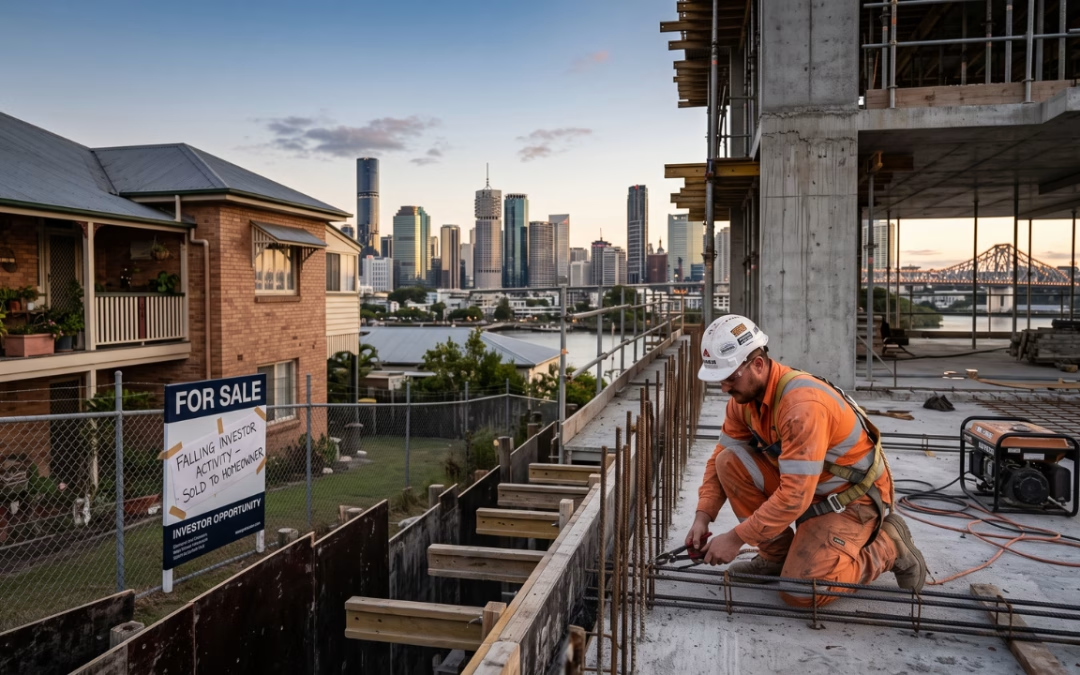
As approvals speed up, expect to see more “for sale” boards in backyards, more design innovation in small-footprint homes, and a new generation of young families moving into suburbs once thought beyond their reach.
For the construction industry, the message is clear: the future is in the backyard.

Author: TGB Editorial



0 Comments