


A carbon border adjustment mechanism could reshape Australia’s construction sector — and force builders to rethink material choices.
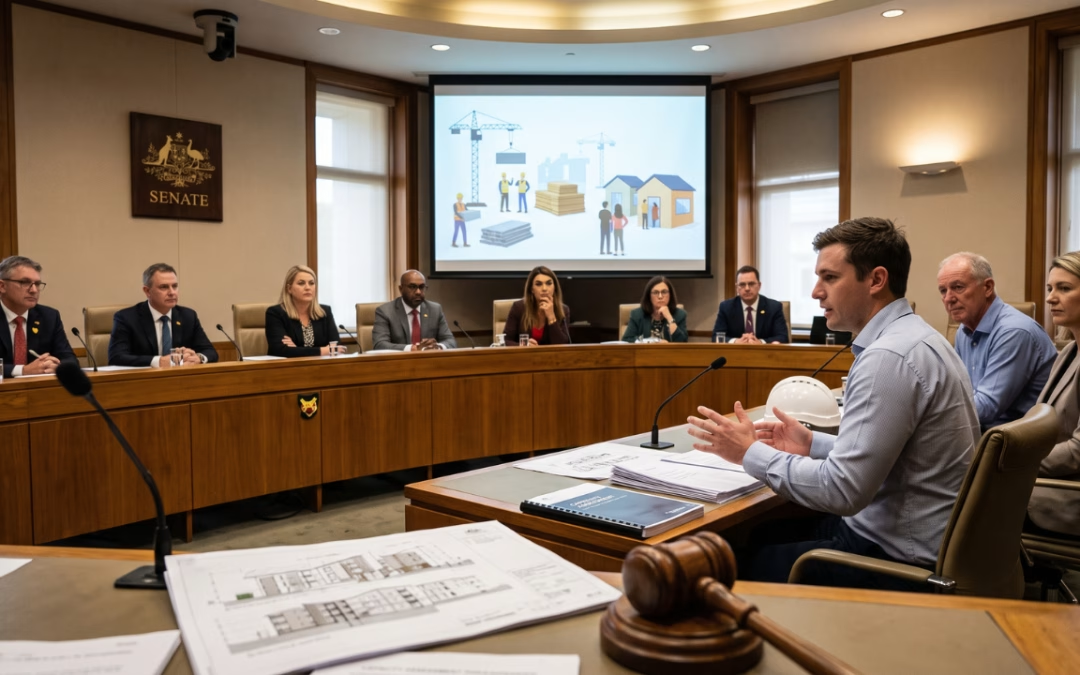
Australia’s building industry may soon face one of its biggest policy shifts in decades, as the Albanese government explores a carbon border adjustment mechanism (CBAM) designed to curb “carbon leakage” and protect local industries from high-emission imports.
Under the proposal, importers of emissions-heavy materials like steel, cement, aluminium, and glass — all core components of Australian construction — would be hit with tariffs if their country of origin lacks a comparable carbon pricing regime.
Energy Minister Chris Bowen has confirmed the mechanism is on the table. “We want to ensure Australian industry is best placed to compete in a decarbonising world,” Bowen said. “What could be the case is … we look at particular sectors first around cement and lime, but I’m not going to get in front of the process … We’ll have more to say during this term.”
The review is being led by Professor Frank Jotzo of the ANU, whose early analysis points to clinker, cement, and lime as the most exposed sectors, with steel, ammonia, and glass flagged as medium-risk categories.
Download the draft mechanism here.
Why It Matters for Builders
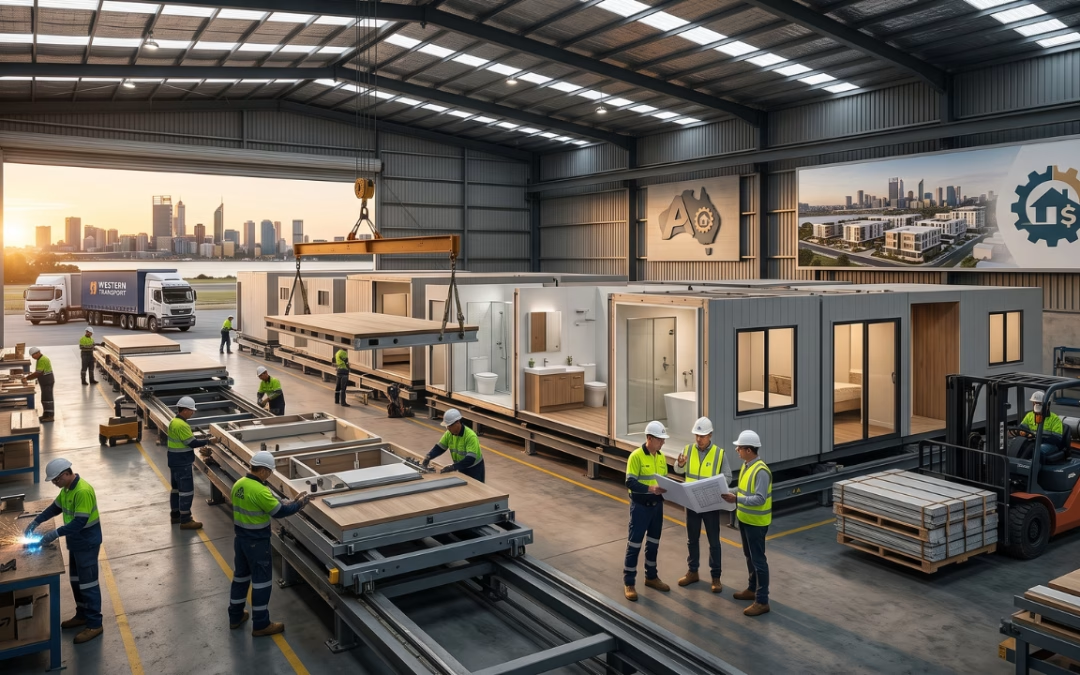
Australia imports millions of tonnes of building materials annually. Steel frames, rebar, concrete foundations, facades, glazing, and interior glass make up the backbone of residential and commercial projects nationwide. Tariffs on these imports could dramatically raise costs, particularly on projects that rely on offshore supply chains to combat domestic shortages.
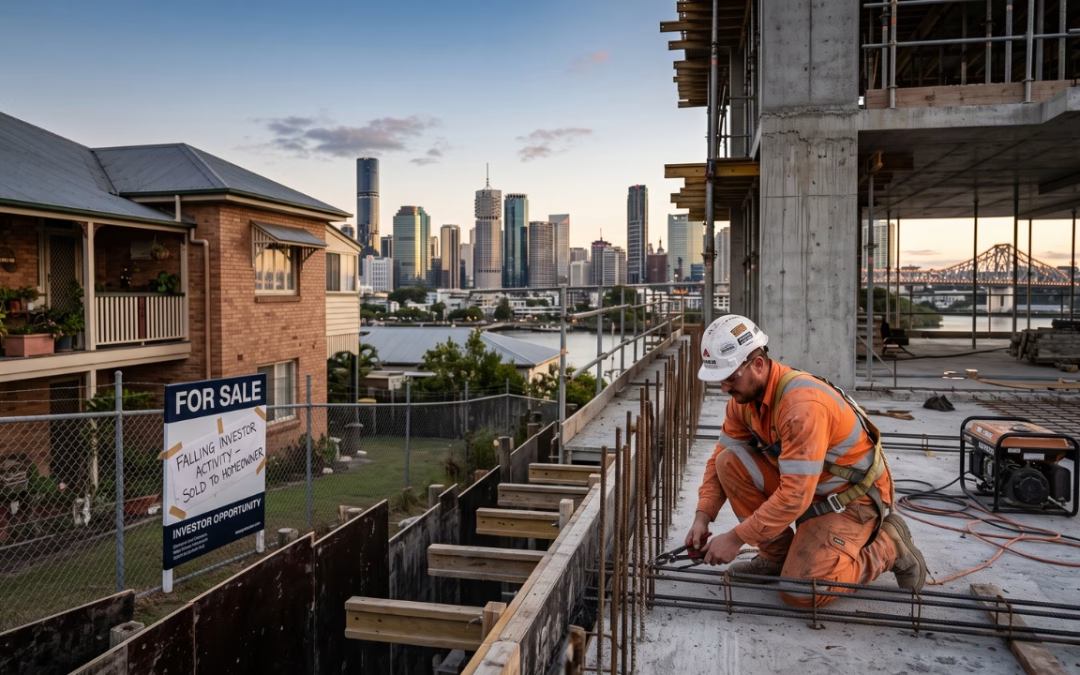
For builders already contending with margin pressure, rising labour costs, and housing affordability constraints, carbon tariffs could be the next major variable impacting budgets and timelines.
The Global Push: Timber Takes the Stage
This isn’t just about penalising polluters. It’s part of a global move to “clean up” construction materials and accelerate net-zero goals.
A 2023 report by the UN Environment Programme and the Yale Centre for Ecosystems and Architecture called for a radical shift away from carbon-intensive materials toward renewable alternatives like timber and bamboo. The report estimated that replacing steel, concrete, and glass — which together account for 23% of global emissions — with bio-based materials could cut building emissions by up to 40% by 2050.
“However, more policy and financial support are needed to ensure widespread adoption,” the report said, adding that the transformation of regional markets will hinge on updated building codes, certification systems, and education.
Case Study: China’s Hybrid Approach
In Jiangsu Province, China is already piloting new methods with its wood-concrete composite structures. The Jiangsu Provincial Rehabilitation Hospital combines mass timber and concrete to balance strength, seismic performance, and sustainability — offering a glimpse into what future building systems might look like.
Industry Forecast: Cement Demand in Decline
The World Cement Association predicts that global demand for cement and clinker could fall by 30% over the next 25 years, driven by alternative materials like mass timber and emerging low-carbon binders such as geopolymers. Their long-term forecast sees clinker volumes dropping from 2.8 billion tonnes to between 1 billion and 1.9 billion tonnes by mid-century.
The Big Question for Australia
If Australia introduces a CBAM, it will do more than protect local manufacturers — it will force builders, developers, and suppliers to adapt to a future where carbon intensity comes with a price tag.
Will we see a shift to locally produced steel? Faster adoption of timber-based solutions? Or a hybrid approach that balances sustainability with structural integrity?
What’s clear is this: carbon tariffs could change the economics of building in Australia — and redefine material strategies for decades to come.
Have your say:
What do you think about carbon tariffs for building materials? Could this accelerate the shift to sustainable construction, or push costs even higher for builders and clients? Share your thoughts with us at thegoodbuilder.com.au.


0 Comments